Resident Evil 7 Runs More Smoothly on Android After AI Optimization
This content was independently prepared by the Oyuncu Konseyi editorial team. Sponsored and partnership content is always clearly labeled. Details: Editorial Standards
Table of Contents
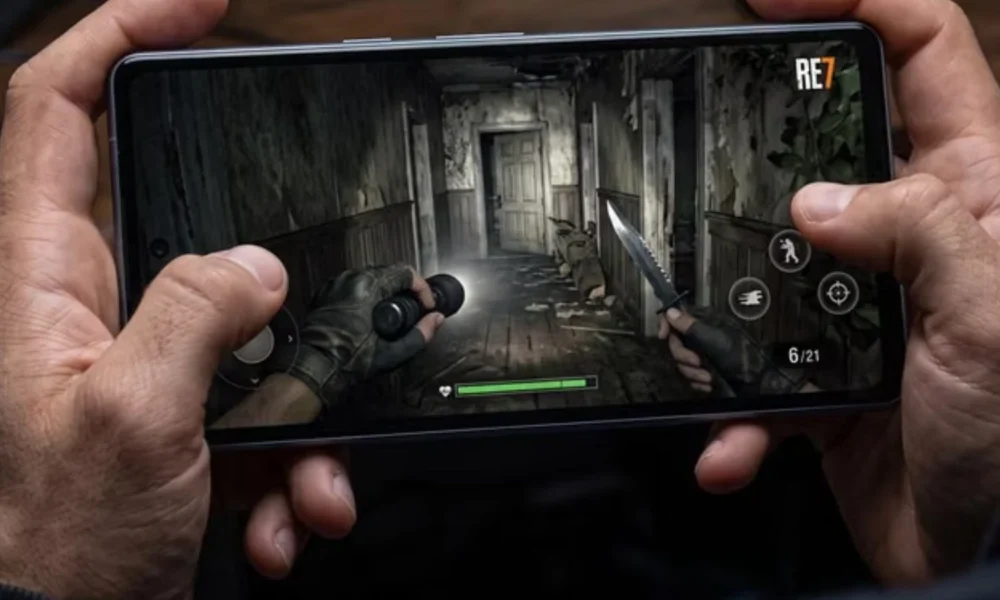
Resident Evil 7 is difficult to run on mobile devices because of its graphics requirements, but a new optimization project showed that the game could run more efficiently on a midrange Android phone. The work focused on reducing storage and memory pressure while improving frame rate and power efficiency.
What Phone Was Used for the Resident Evil 7 Test?
The optimization was tested on a OnePlus 12R with a Snapdragon 8 Gen 2 processor. Early tests reportedly ran at around 20 FPS and showed noticeable performance problems. After the changes, the game reached a more stable frame rate.
During testing, the phone was connected to a Mac in debugging mode. This made it possible to inspect storage, input and output activity, and memory bandwidth. The results suggested that the bottleneck was not limited to the CPU or GPU.
How Were the Game Files Optimized?
A major part of the project involved compressing high-resolution textures. Some textures at 4096 resolution were reduced to 1024 or 512. This reportedly cut the game’s storage footprint from around 25 GB to roughly 8 GB for that part of the optimization.
Unused audio files and costume assets that did not directly affect performance were also removed. The final storage requirement was brought down to around 13 GB, reducing pressure on the phone’s storage and memory system.
Snapdragon Game Super Resolution was used to limit the visible loss in image quality. The game was rendered at 720p and then upscaled to a higher output resolution. This allowed the GPU to work with a lower internal resolution while producing a sharper final image.
How Many FPS Did Resident Evil 7 Reach on Android?
After optimization, Resident Evil 7 reportedly ran at around 30 FPS with better stability. Power consumption was also reduced to roughly 5 to 6 watts, which can help lower heat and reduce the risk of performance loss from thermal throttling during longer sessions.
The test shows how important software optimization can be for mobile gaming, even when the hardware itself does not change. The same results should not be expected on every Snapdragon 8 Gen 2 device. Emulator version, game build, operating system, cooling, and device configuration can all affect performance.